
Understand the service
Clarify the operational question, review how demand moves through the service and agree definitions with the people who use them.

Maple Leaf Intelligence
Maple Leaf Intelligence develops operational reporting focused on demand, flow, capacity and performance. The work begins with how the service operates and how the information will be used.
What Maple Leaf does
We combine operational understanding, analysis and reporting with strong technical capability, so that the underlying data is dependable and the resulting reports are clear and useful in operational practice.
Clarify the operational question, review how demand moves through the service and agree definitions with the people who use them.
Bring operational information together into a consistent account of demand, queues, activity, capacity and performance.
Deliver reporting that can support routine oversight, performance review and service improvement, with definitions and limitations kept visible.
Operational reporting
Reporting brings measures, trends and supporting detail together so that the operational position can be reviewed consistently.
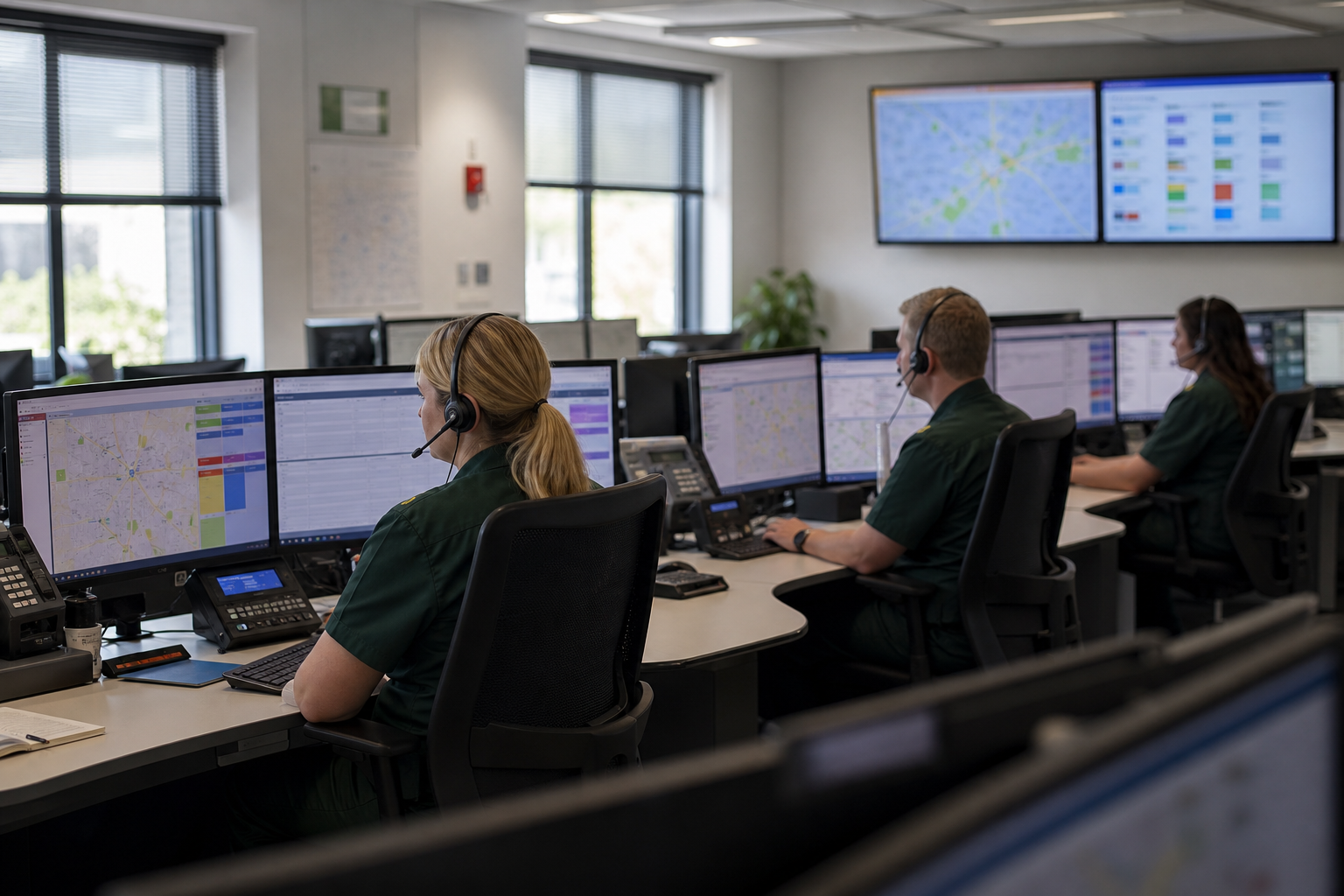
The questions behind the work
This is particularly relevant where the information is spread across systems, reports or operational definitions.
Where is demand arriving, and how is it changing?
Where are queues, delays or hand-off problems forming?
Does available capacity match the pressure on the service?
Which performance measures can leaders rely on?
How is demand moving through pathways and teams?
What evidence is needed before changing the service?
Selected case studies
Each study summarises the organisation's reporting need, the work undertaken and how the resulting reporting was used.
The organisation's case-management system recorded thousands of individual movements and actions, but did not provide a stable account of each period a case spent in a queue.
Agreed what the service needed to see: current waiting demand, active work, priorities, elapsed time and the longest waits.
A shared view replaced repeated manual checks across operational teams.
Call and workforce information was spread across low-level platform records and externally produced outputs. Measures were difficult to reconcile and operational questions often required separate analysis.
Started with the service questions: when demand arrived, what happened to each call and how workload related to available staff.
All telephony and agent reporting moved to one governed source.
Several timestamps could plausibly mark the start or end of a wait. Cases could also move between levels, leave and return, or follow different routes into assessment.
Mapped the operational journey and agreed the event that best represented the start and end of the wait.
The reporting provided one transparent and repeatable waiting-time measure.
The studies are anonymised to protect confidential operational and organisational information.
How Maple Leaf works
Agree the operational question and the intended use of the reporting.
Review how the service works, where the information comes from and how terms are used.
Create the reporting and test it with the people who understand the operation.
Document definitions and support routine use and maintenance.
Questions and definitions are based on how the service works.
Assumptions, limitations and unusual cases stay visible.
Documentation and ownership are considered as part of delivery.
Contact
An initial email can simply outline the service area, the reporting question, the information currently available and any relevant timescale.
enquiry@mapleintel.uk